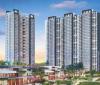
Sobha Codename Trinity is a forthcoming residential project by Sobha Limited, envisioned as a contemporary housing development that combines comfort, design quality, and urban accessibility. Planned in the expanding eastern region of Bangalore, the project is positioned in a location that is steadily gaining attention for its infrastructure growth and future development potential. The concept behind the project is to create a well-organized residential environment that supports modern lifestyles while maintaining a calm and welcoming atmosphere.The development is expected to feature a collection of high-rise residential towers set within a landscaped layout. Such an arrangement helps maximize open areas on the ground while allowing residents to enjoy expansive views from upper floors. The apartments are planned with efficient layouts so that each space feels purposeful and practical. Living rooms, bedrooms, and kitchens are usually arranged to provide smooth movement within the home, while balconies and large windows bring in daylight and fresh air. This design approach enhances both comfort and visual appeal, making interiors feel spacious and lively.Different apartment configurations are likely to be available, offering options suited to various family sizes and preferences. Whether for individuals seeking a compact residence or families requiring larger living spaces, the project aims to provide flexibility in choice. Interior finishes are typically selected to reflect durability and style, with attention given to flooring, fittings, and fixtures that complement the overall aesthetic. Such details contribute to a refined living experience while ensuring that homes remain functional for everyday use.The location advantage of the project is a significant factor in its appeal. Being situated in a developing corridor means residents can benefit from improving road networks and access to essential services. Over time, areas like this tend to attract schools, hospitals, shopping centers, and workplaces, creating a self-sustaining environment. Convenient connectivity to key routes makes commuting easier for professionals who travel regularly for work. As infrastructure projects continue to progress, the surrounding locality is expected to become more vibrant and well connected.Community living is an important aspect of modern residential developments, and projects of this scale are designed to encourage interaction among residents. Landscaped gardens, internal pathways, and shared activity zones provide spaces where people can relax, socialize, and spend time outdoors. These features help create a neighborhood atmosphere rather than just a group of buildings. Families often appreciate such environments because they offer safe and pleasant surroundings for children and elders alike.Lifestyle amenities are another defining element. Developments of this type generally include facilities that enhance day-to-day living, such as a clubhouse for social gatherings, a swimming pool for relaxation, and a fitness center for health and exercise. Indoor recreation areas and multipurpose halls add convenience by allowing residents to pursue hobbies or host events within the community. Outdoor sports spaces and walking tracks provide opportunities for physical activity, promoting a balanced and active lifestyle.Safety and infrastructure are also essential considerations. Gated entry points, monitoring systems, and trained personnel are commonly integrated to maintain a secure environment. Organized parking zones, well-lit pathways, and wide internal roads make daily movement convenient for residents and visitors. Utility systems such as water supply, drainage, and power backup for common facilities are typically planned to ensure smooth and reliable functioning of the community.Architectural design plays a key role in shaping the character of the project. Contemporary styling with clean lines and well-proportioned structures gives the towers a modern appearance. Adequate spacing between buildings allows sunlight to reach lower floors and helps maintain privacy. Landscaped elements such as lawns, trees, and decorative plants enhance the surroundings, creating a pleasant visual environment that complements the residential setting.Environmental awareness is becoming increasingly important in housing developments, and projects of this nature often include sustainable features. Rainwater harvesting systems, energy-efficient lighting, and green landscaping can contribute to responsible resource use. These measures not only support environmental sustainability but also improve long-term living comfort by creating cleaner and healthier surroundings.From an investment perspective, residential properties in developing urban zones often attract attention because of their growth potential. As infrastructure improves and more people move into the area, demand for housing can rise, which may positively influence property values. Buyers who invest early sometimes benefit from price appreciation over time, while end users enjoy the advantages of living in a newly developed community with modern facilities.

Educate. Empower. Act. The mission of Project WET is to reach children, parents, educators and communities of the world with water education.
